The Language of the Stars

Constellations are cosmic stories written across the night sky. Ancient civilizations used them to navigate, measure time, and understand the universe long before modern science.

What is a Constellation?

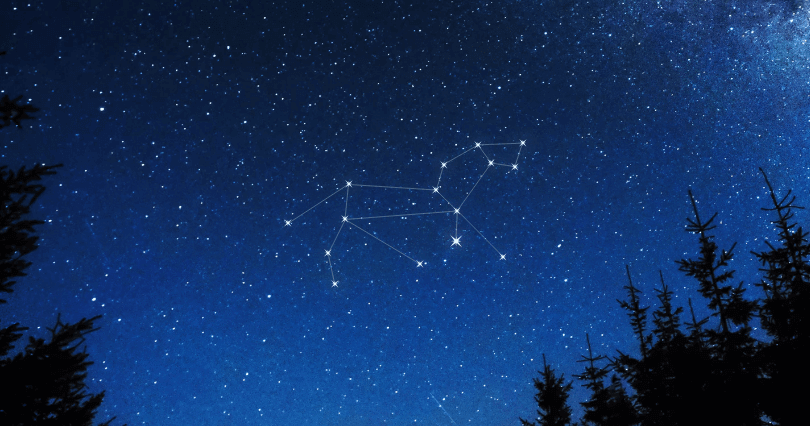
A constellation is a group of stars forming a recognizable pattern as seen from Earth. Stars may be light-years apart. Constellations divide the sky and have cultural significance.

  • 88 modern constellations officially recognized.
  • Each has Latin and common names.
  • Appear differently depending on location.
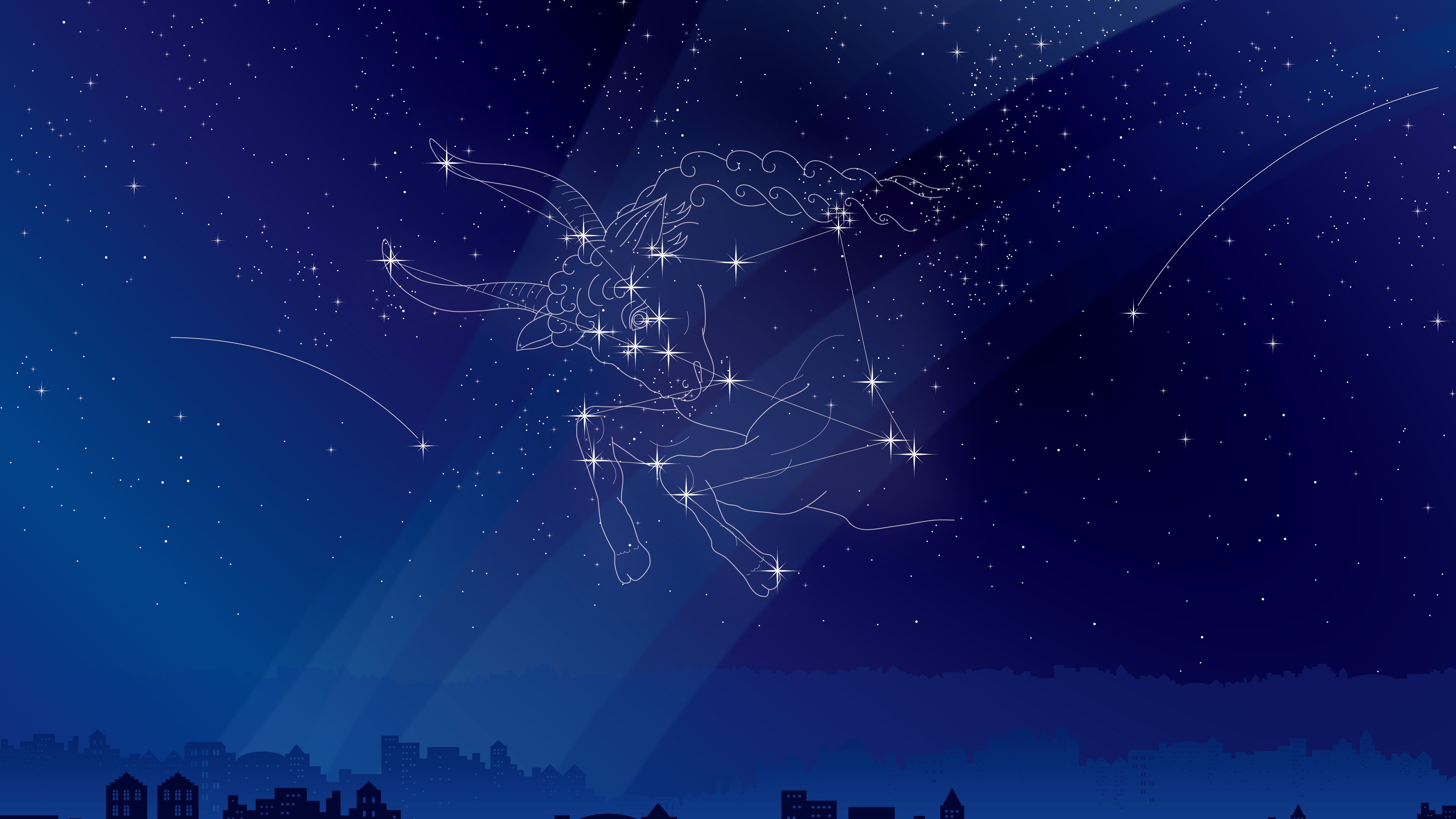
Constellation Illustration

How Constellations Are Formed

Star Formation

Constellations are patterns created by human imagination connecting stars. Stars lie at vastly different distances; patterns appear connected from Earth’s perspective.

  1. Observe bright stars in a region.
  2. Map stars into geometric patterns.
  3. Modern astronomers assign official boundaries.

Why Constellations Matter

Constellations helped civilizations navigate seas, track seasons, and understand the cosmos. They remain guides for astronomers and enthusiasts today.

Famous Constellations

Name Main Star Region Feature
Orion Betelgeuse, Rigel Equatorial Three-star belt
Scorpius Antares Southern Red giant star Antares
Ursa Major Dubhe, Merak Northern Big Dipper asterism
Cassiopeia Shedir Northern W-shaped pattern

Notable Stars

Star Constellation Type Magnitude Distance (ly)
Betelgeuse Orion Red Supergiant 0.50 642
Rigel Orion Blue Supergiant 0.13 860
Antares Scorpius Red Supergiant 1.06 550

Star Brightness Chart

Rigel (0.13)
Betelgeuse (0.50)
Antares (1.06)

Deep Sky Objects

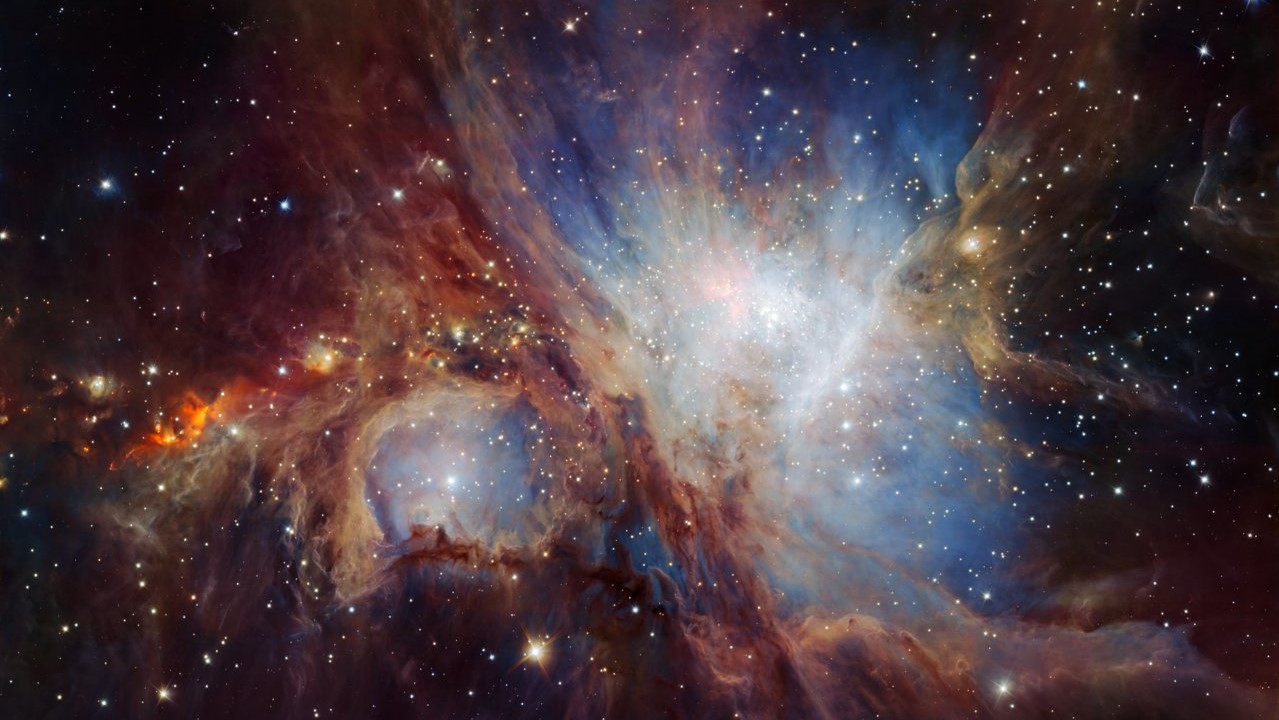
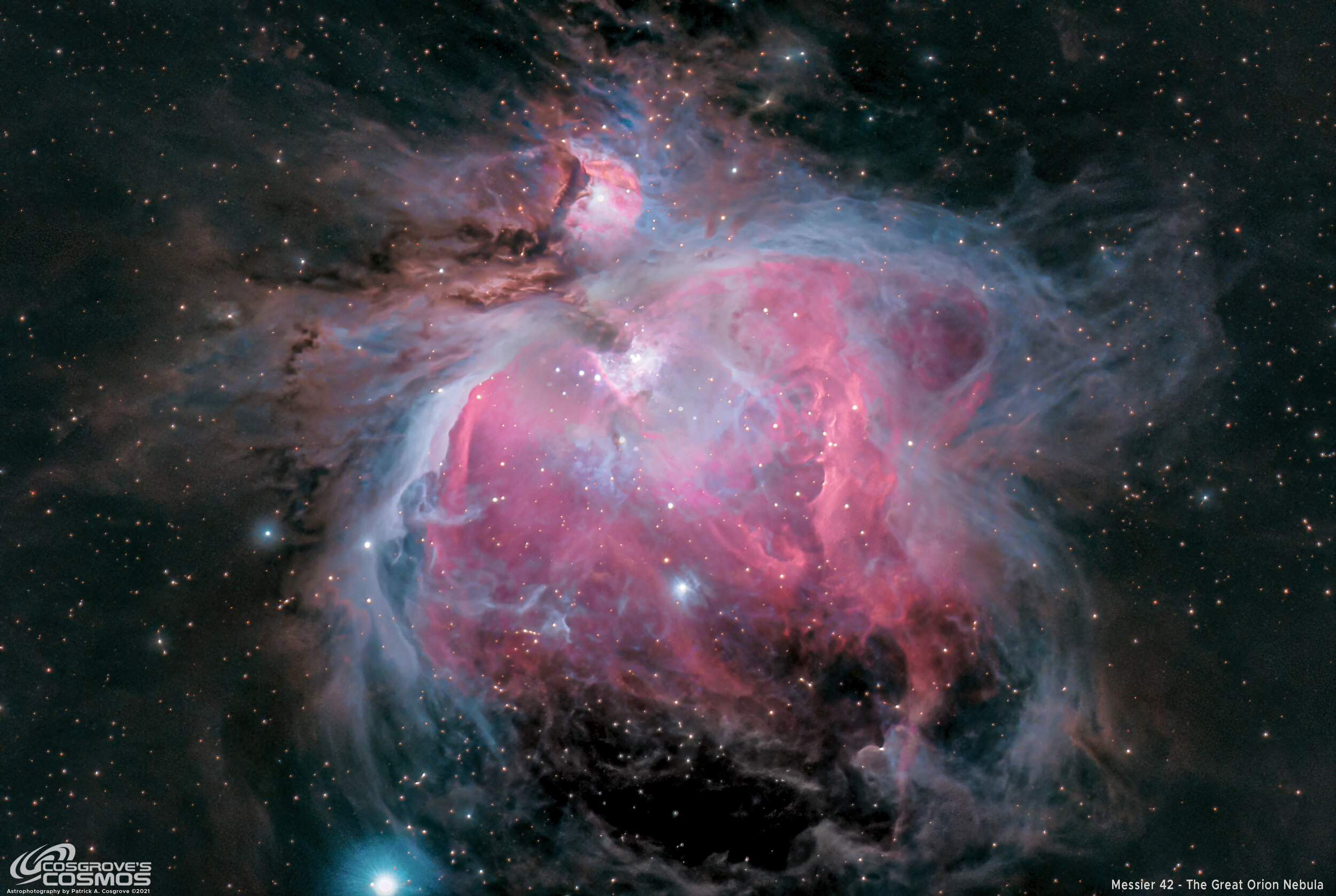
Orion Nebula

Orion Nebula: One of the brightest nebulae visible to the naked eye.

Pleiades Cluster: Young open star cluster in Taurus.

Andromeda Galaxy: Closest major galaxy to Milky Way.

Observation Tips

Explore the Night Sky

Fun Facts

Gallery